
Embark on a journey through the world of Trail Running Shoes and Gear Essentials, diving into the crucial elements that make your trail runs a success. From the importance of proper footwear to essential gear recommendations, this guide has you covered.
Explore the nuances of selecting the right shoes, understanding gear requirements, and maintaining your equipment for optimal performance. Let’s lace up and hit the trails!
Overview of Trail Running Shoes and Gear Essentials
Trail running shoes and gear are essential for any runner hitting the trails. Proper shoes and gear can enhance performance, provide protection, and ensure comfort while running on rugged terrain.
Key Features of Trail Running Shoes
- Stability: Look for shoes with good stability to prevent ankle rolls on uneven surfaces.
- Traction: Opt for shoes with aggressive tread patterns for better grip on slippery or muddy trails.
- Protection: Choose shoes with rock plates or toe guards to shield your feet from sharp rocks and roots.
- Comfort: Ensure the shoes have adequate cushioning and a snug fit to prevent blisters and discomfort during long runs.
Essential Gear for Trail Running
- Hydration Pack: Stay hydrated on longer runs with a hydration pack that allows you to carry water and essentials.
- Trail Running Socks: Invest in moisture-wicking socks to prevent blisters and keep your feet dry.
- GPS Watch: Track your progress and stay on course with a GPS watch designed for trail running.
- Trail Gaiters: Keep debris out of your shoes and protect your ankles with trail gaiters that wrap around your ankles.
Types of Trail Running Shoes
- Lightweight Trail Shoes: Ideal for fast-paced runs on well-groomed trails with minimal cushioning.
- Midweight Trail Shoes: Versatile shoes that offer a balance of cushioning and protection for various trail conditions.
- Maximalist Trail Shoes: Provide maximum cushioning for long-distance runs on rugged terrain with added comfort.
- Minimalist Trail Shoes: Barefoot-style shoes that promote natural foot movement and agility on technical trails.
Choosing the Right Shoes for Trail Running
When it comes to trail running, having the right shoes can make all the difference in your performance and comfort. Here are some key factors to consider when selecting trail running shoes:
Terrain-Specific Shoes
- For rocky and technical terrains, look for shoes with added protection and stability features.
- On muddy trails, opt for shoes with deeper lugs for better grip and traction.
- For flat and easy terrains, lighter and more flexible shoes may be suitable.
Proper Fit and Sizing
- Ensure there is enough room in the toe box to prevent blisters and toe injuries.
- Consider trying on shoes later in the day when your feet are slightly swollen for a more accurate fit.
- Remember that sizing can vary between brands, so always refer to the sizing chart provided by the manufacturer.
Waterproof vs. Breathable
- Waterproof shoes are ideal for wet and muddy conditions, providing protection from moisture.
- Breathable shoes are better suited for hot and dry climates, allowing sweat to escape and keeping your feet cool.
- Consider the weather conditions of the trails you frequent when choosing between waterproof and breathable shoes.
Importance of Traction
- Good traction is essential for staying stable and avoiding slips on uneven terrain.
- Look for shoes with aggressive lugs that can grip various surfaces effectively.
- Consider the type of trails you run on to determine the level of traction needed in your trail running shoes.
Essential Gear for Trail Running
Trail running requires specific gear to ensure comfort, safety, and performance. Let’s explore the essential items you need for a successful trail running adventure.
Necessary Clothing for Trail Running
When hitting the trails, it’s crucial to wear moisture-wicking clothing that can handle various weather conditions. Opt for breathable and quick-drying materials to help regulate body temperature and prevent chafing. In cooler weather, layering is key to staying warm without overheating. Don’t forget a lightweight and waterproof jacket in case of rain.
Importance of Hydration Packs and Water Bottles
Staying hydrated is essential during trail running, especially in remote areas where water sources may be scarce. Hydration packs or water bottles designed for running allow you to carry an adequate amount of water without hindering your movement. Look for options with easy access to prevent dehydration on long runs.
Carrying Nutrition and Energy Supplements
Fueling your body during trail running is crucial for maintaining energy levels and preventing fatigue. Consider carrying nutrition bars, gels, or energy chews that are easy to consume on the go. Portable snacks rich in carbohydrates and electrolytes can help sustain your performance during challenging runs.
Benefits of Using Trekking Poles
Trekking poles can provide additional stability and support while navigating uneven terrain during trail running. They help reduce strain on your joints, improve balance, and enhance propulsion uphill. Lightweight and adjustable trekking poles can make a significant difference in your overall trail running experience.
Maintenance and Care Tips for Trail Running Shoes and Gear
Proper maintenance and care of your trail running shoes and gear are essential to ensure longevity and optimal performance. By following some simple tips, you can extend the lifespan of your equipment and get the most out of your trail running experience.
Cleaning and Storing Trail Running Shoes
- After each run, remove any dirt, mud, or debris from your shoes using a soft brush or cloth.
- Allow your shoes to air dry completely before storing them in a cool, dry place away from direct sunlight.
- Remove the insoles and wash them separately to prevent odor buildup.
- Consider using a shoe deodorizer to keep your shoes fresh between runs.
Extending the Lifespan of Trail Running Gear
- Regularly inspect your gear for any signs of wear and tear, such as fraying seams or loose straps.
- Follow the manufacturer’s care instructions for washing and storing your gear to maintain its quality.
- Avoid overloading your pack or gear with excessive weight, as this can cause premature damage.
- Store your gear in a ventilated area to prevent mold and mildew growth.
Replacing Trail Running Shoes
- Monitor the tread wear on the outsoles of your shoes – if they appear worn down, it may be time for a replacement.
- Check the midsoles for compression or loss of cushioning, as this can affect your comfort and performance.
- Consider replacing your shoes every 300-500 miles or when you start to experience discomfort or pain while running.
Importance of Regular Maintenance
- Regular maintenance of your trail running shoes and gear can help prevent injuries by ensuring they are in good working condition.
- By taking care of your equipment, you can save money in the long run by avoiding frequent replacements.
- Maintaining your gear also shows respect for the sport and the environment, as well-cared-for equipment lasts longer and performs better.
Combining Trail Running with Adventure Vacations
Trail running can be an exciting way to explore new destinations and add a sense of adventure to your vacations. Whether you’re heading to the Arctic, a rainforest, an island, or a polar region, incorporating trail running into your itinerary can provide a unique and memorable experience.
Arctic Expeditions
When embarking on an Arctic expedition, trail running can offer a different perspective on the vast and untouched landscapes. Running through snow-covered terrain or along icy shores can be a challenging yet rewarding experience. Make sure to pack appropriate gear for cold weather conditions and stay prepared for unexpected weather changes.
Rainforest Explorations
Running through the lush vegetation of a rainforest can be a sensory overload with the sounds of wildlife and the humidity in the air. Trail running in a rainforest allows you to immerse yourself in nature and explore off-the-beaten-path trails. Be mindful of the terrain and wildlife around you, and always stay hydrated during your runs.
Island Adventures
Trail running on an island provides a mix of coastal views, rocky terrains, and tropical landscapes. Running along the beach or through dense forests can offer a diverse running experience. Consider the elevation changes and varying trail conditions on the island, and be prepared with proper footwear and gear for different terrains.
Polar Region Challenges
Trail running in polar regions like Antarctica or the Arctic Circle presents a unique set of challenges and rewards. Running in extreme cold conditions and navigating icy paths can test your endurance and resilience. Ensure you have the right gear to stay warm and safe during your trail runs in polar regions.
Summary
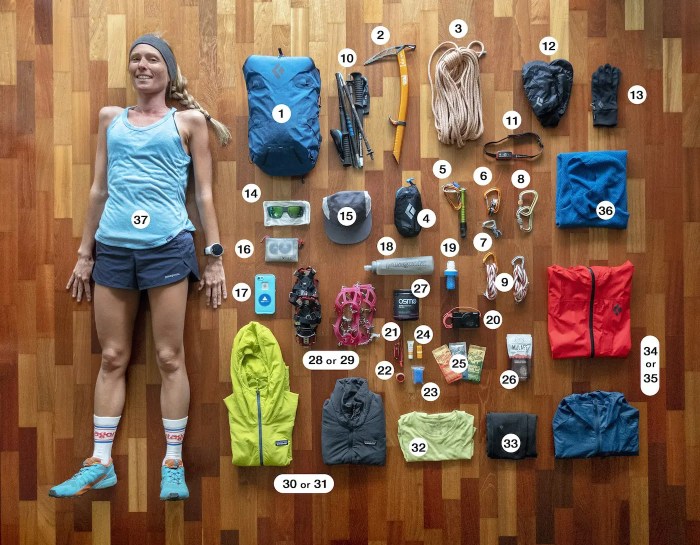
In conclusion, Trail Running Shoes and Gear Essentials play a vital role in enhancing your trail running experience. By focusing on the right footwear and gear, you can elevate your performance and enjoyment on the trails. Gear up, stay prepared, and keep exploring those rugged paths!
Top FAQs
What should I look for in trail running shoes?
Focus on features like traction, fit, and terrain suitability when choosing trail running shoes.
How can I maintain my trail running gear?
Regular cleaning, proper storage, and timely replacements can help extend the lifespan of your trail running gear.
Is it necessary to carry hydration packs while trail running?
Hydration packs are essential for staying hydrated during long trail runs, especially in remote areas.
What are the benefits of using trekking poles in trail running?
Trekking poles provide stability, support, and help reduce strain on your joints during challenging trail runs.


